Los Angeles is known for its diverse architectural landscape—from Spanish Revival estates to mid-century modern homes. But one of the city’s most distinctive and charming residential forms is the bungalow court. These small clusters of homes arranged around a shared courtyard helped shape early Los Angeles neighborhoods and remain highly sought after by buyers today.
Although many have been lost to redevelopment over the decades, the bungalow courts that remain represent an important chapter in the city’s architectural and cultural history.
What Is a Bungalow Court?
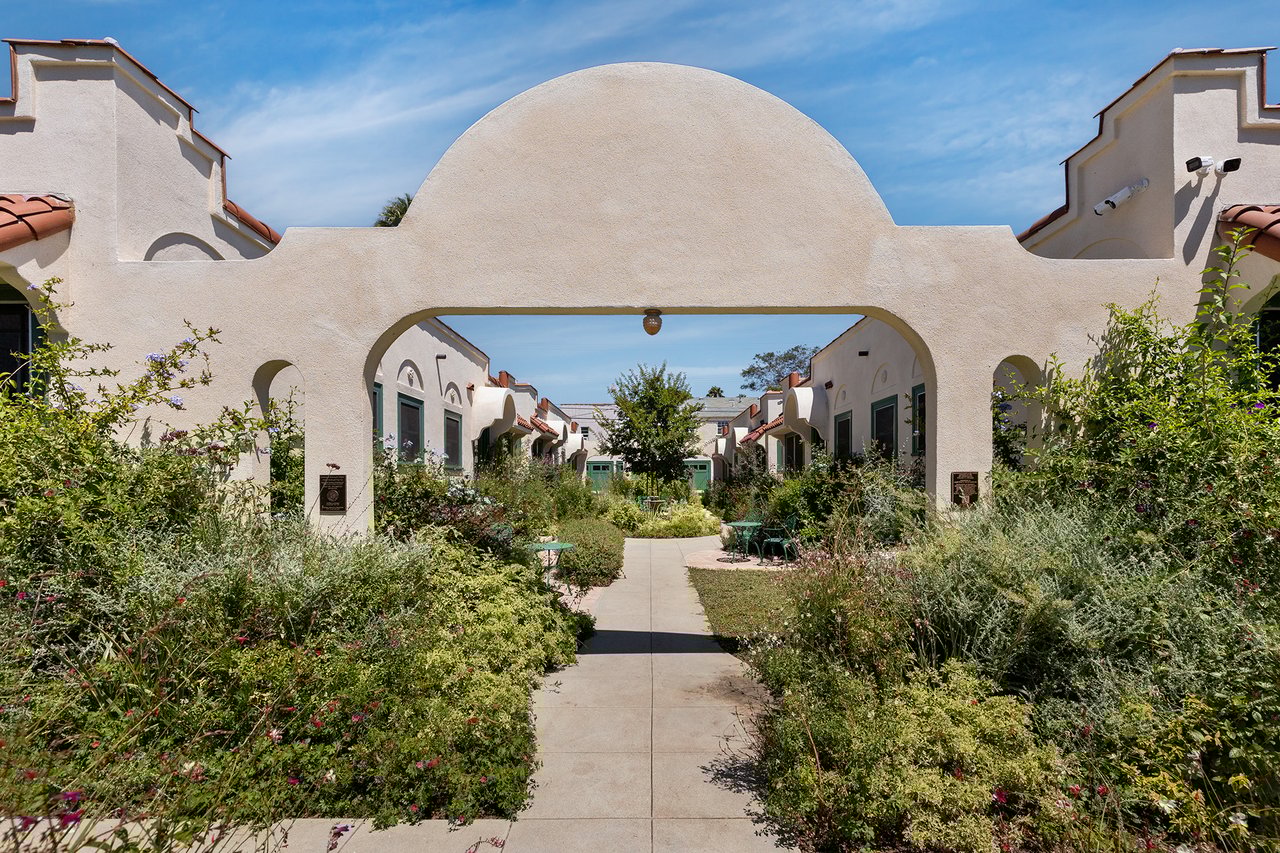
A bungalow court is a small collection of individual homes arranged around a shared outdoor courtyard. Instead of facing the street like traditional houses, the homes typically face inward toward a landscaped walkway or garden.
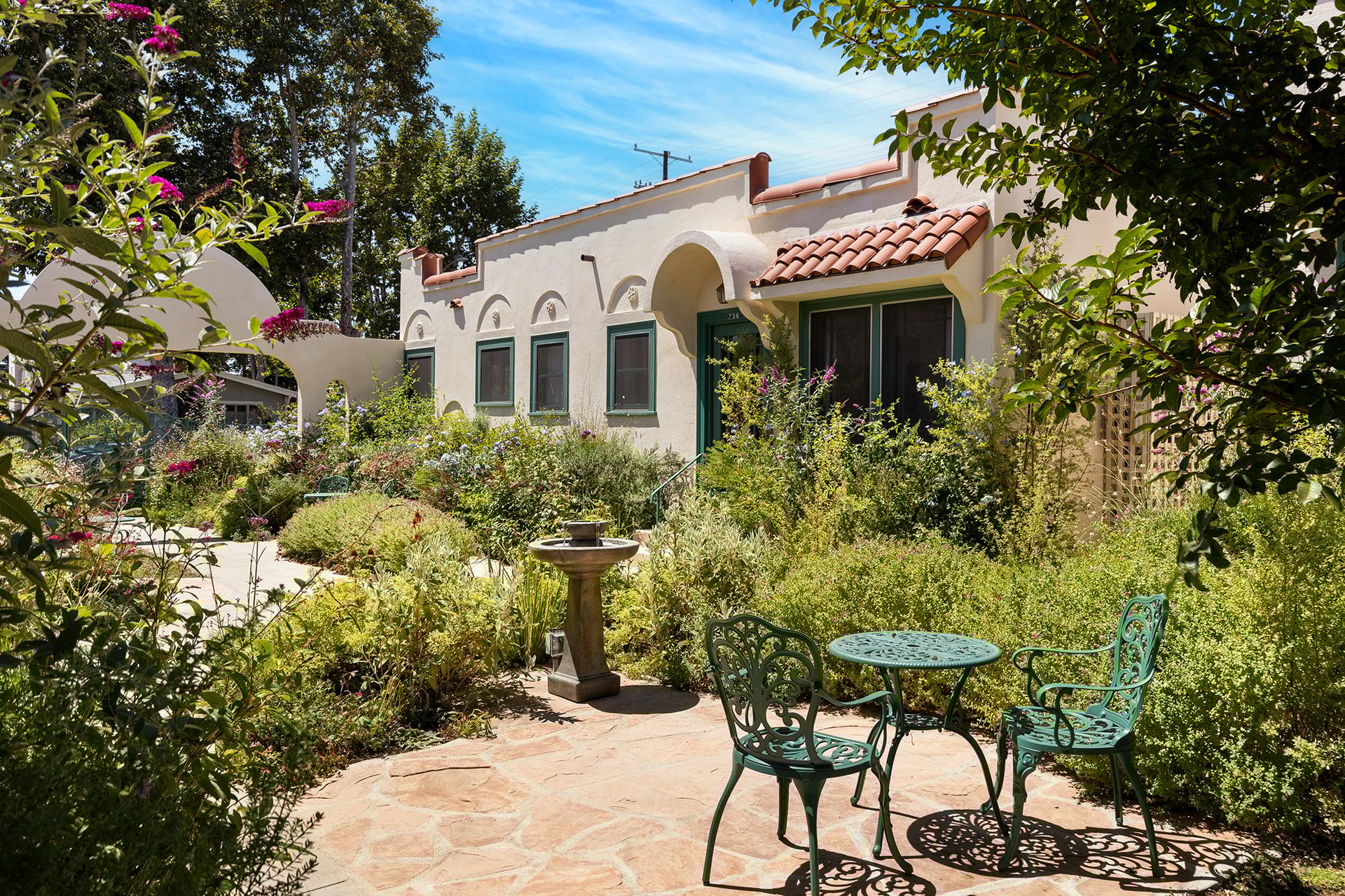
Most bungalow courts contain anywhere from four to ten small residences, often one-bedroom or studio units. The design encourages a sense of community while still giving each home its own entrance and identity.
This arrangement created a unique blend of privacy and shared space that was well suited to Southern California’s climate and lifestyle.
The Rise of Bungalow Courts in Early Los Angeles
Bungalow courts became popular in Los Angeles during the early 20th century, particularly between about 1910 and the early 1930s. As the city rapidly expanded, developers looked for creative ways to provide housing that was both efficient and appealing.
The bungalow court offered an elegant solution. Instead of constructing large apartment buildings, developers could build several small homes on a single lot while maintaining the charm and scale of single-family residences.
These courts often appeared in neighborhoods that were just beginning to develop, including areas around Hollywood, Pasadena, and what is now the Melrose/Fairfax district.
Architectural Character and Design
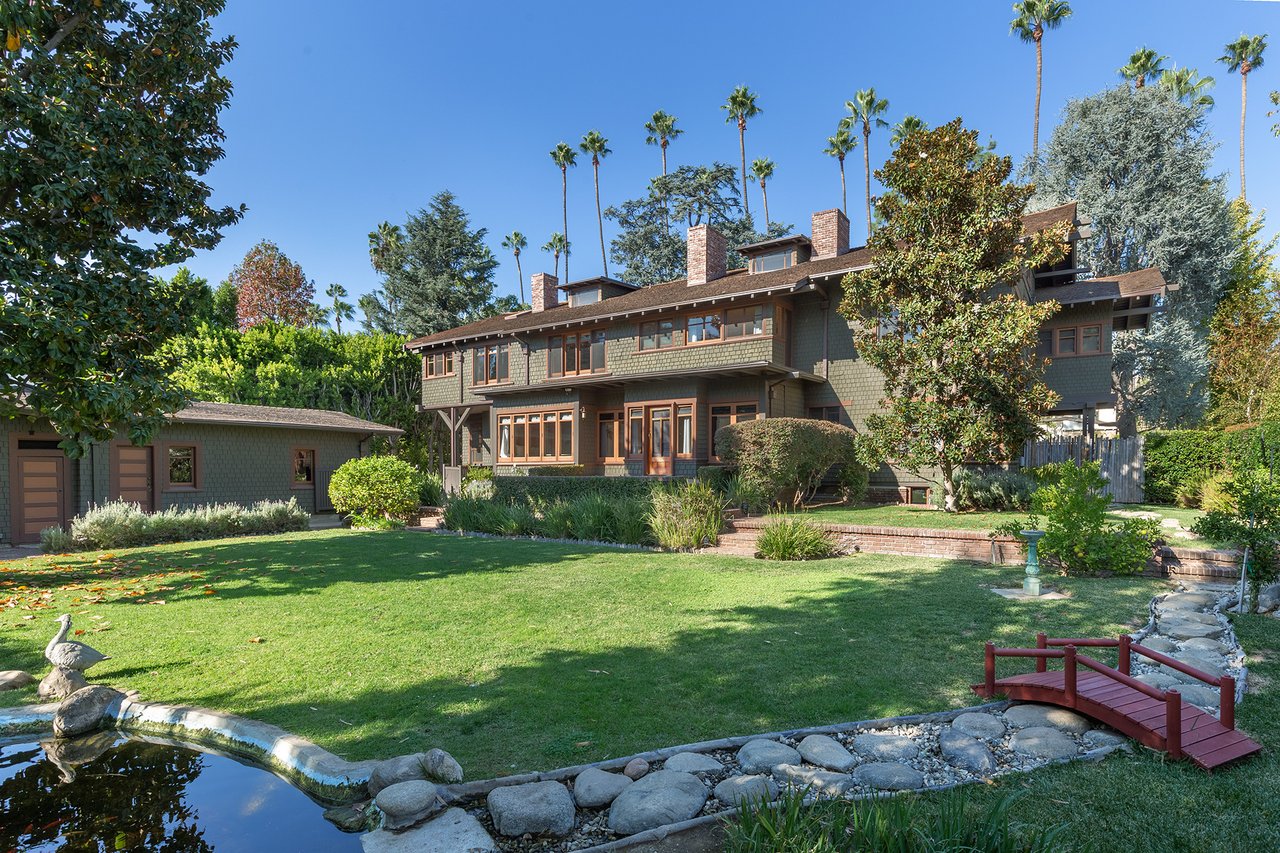
Many bungalow courts were designed with architectural detail and craftsmanship that reflected the styles popular at the time. You’ll find examples influenced by:
• Craftsman architecture
• Spanish Revival design
• English cottage styling
• Early California bungalow traditions
Despite their modest size, these homes often feature thoughtful details such as wood windows, built-in cabinetry, decorative tile, and inviting front porches that face the courtyard.
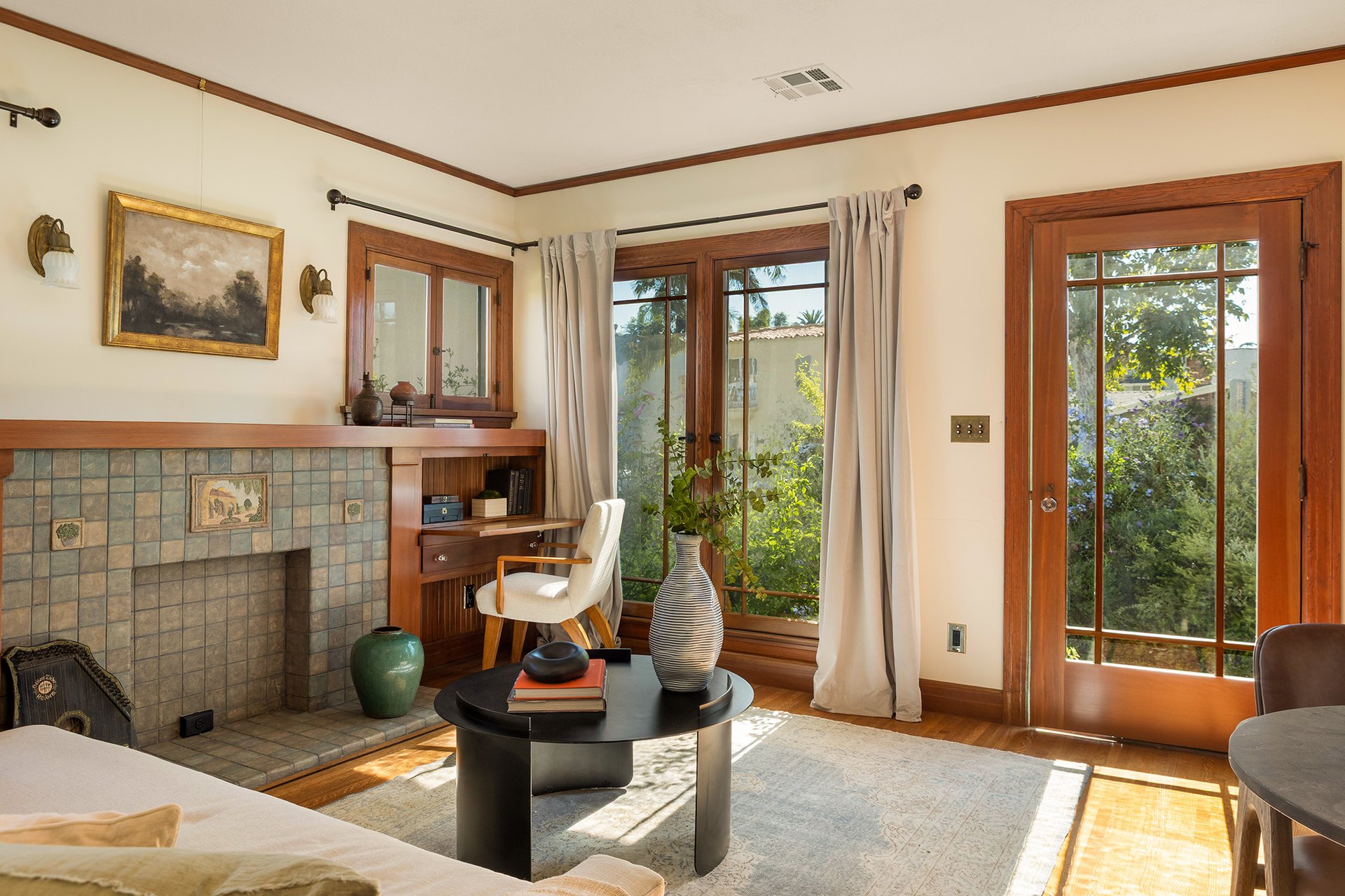
The shared outdoor space was also an important element of the design. Courtyards were frequently landscaped with trees, pathways, and garden areas that created a welcoming environment for residents.
Why Bungalow Courts Are Rare Today
Over the years, many bungalow courts were demolished as property values increased and zoning allowed for larger apartment buildings. Because these developments often occupy valuable land near the urban core, redevelopment pressure has gradually reduced their numbers.
As a result, the bungalow courts that remain today are considered an important part of Los Angeles’ architectural heritage. Preservation organizations and architectural enthusiasts have increasingly recognized their cultural significance, and some have been carefully restored to preserve their historic character.
A Recent Example: The Edinburgh Bungalows
A well-preserved example of this housing type can still be found throughout Los Angeles, particularly in neighborhoods that developed during the city’s early growth in the 1910s and 1920s.
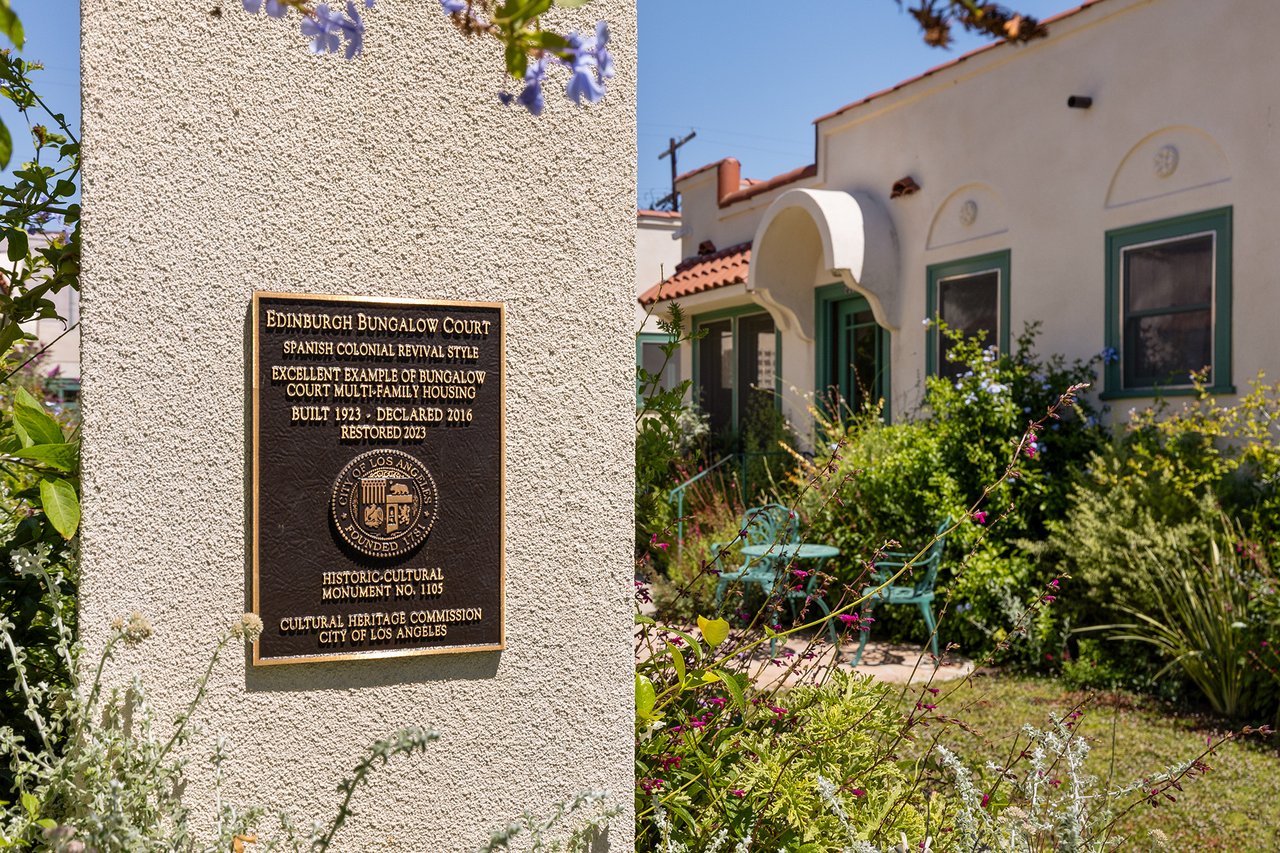
One such property is the Edinburgh Bungalows, a 1923 bungalow court located in the Melrose/Fairfax district. The collection of eight one-bedroom residences is arranged around a central landscaped courtyard, reflecting the traditional design principles that made bungalow courts so appealing in early Los Angeles.
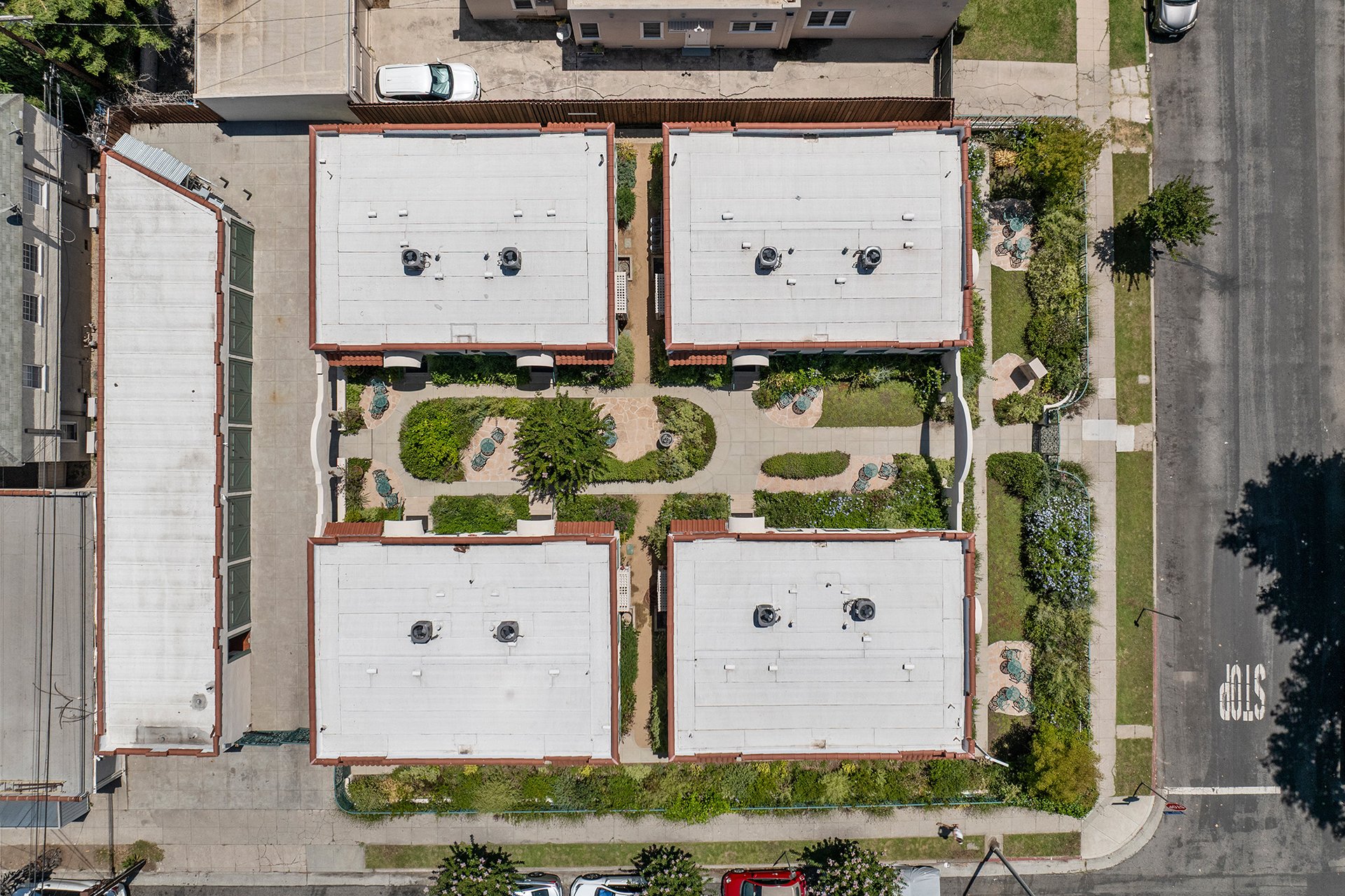
Properties like this demonstrate how thoughtful restoration can preserve architectural character while allowing historic housing types to remain part of the city’s evolving residential landscape. Perfect Home LA had the opportunity to represent the property in a recent sale, further reinforcing the continued demand for well-preserved architectural homes.
Why Buyers Love Bungalow Courts Today
For today’s buyers, bungalow courts offer something increasingly rare in modern housing: character, charm, and a strong sense of place.
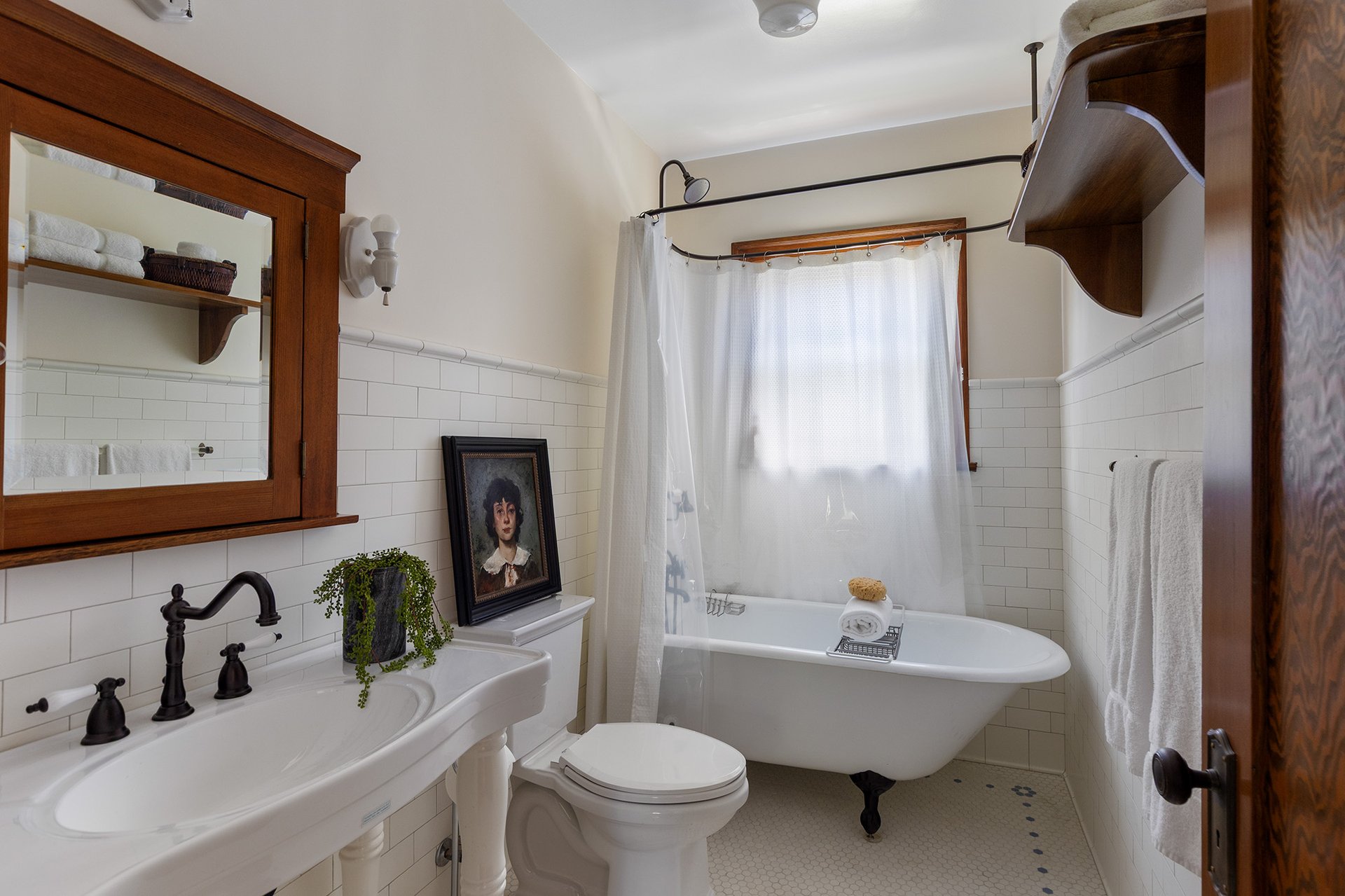
The scale of the homes, the shared garden spaces, and the architectural details create a living environment that feels very different from contemporary apartment buildings.
For those who appreciate historic architecture, bungalow courts represent one of the most distinctive and livable housing styles Los Angeles has ever produced. As the city continues to evolve, these small communities remain a reminder of its architectural past—and why thoughtful preservation continues to matter.