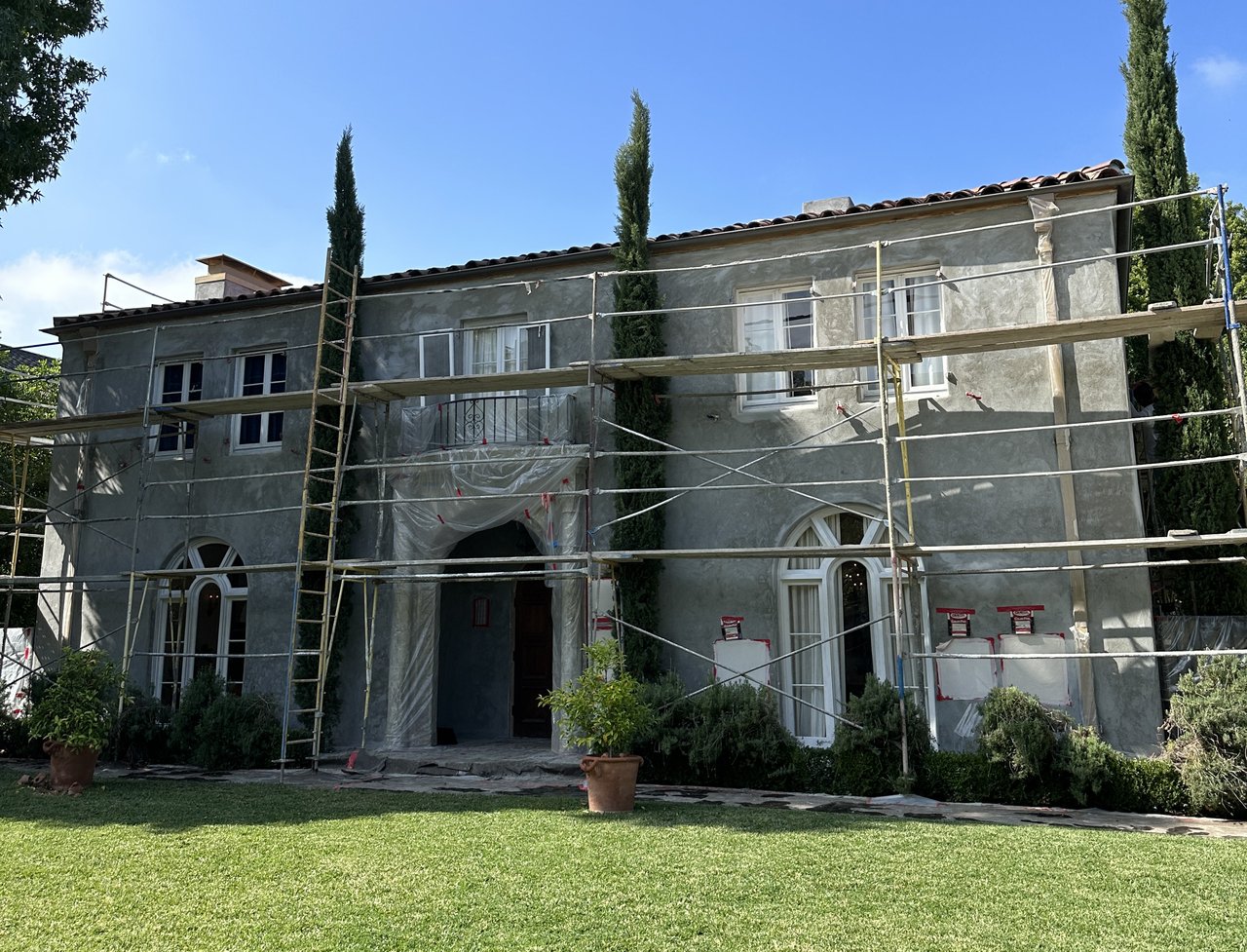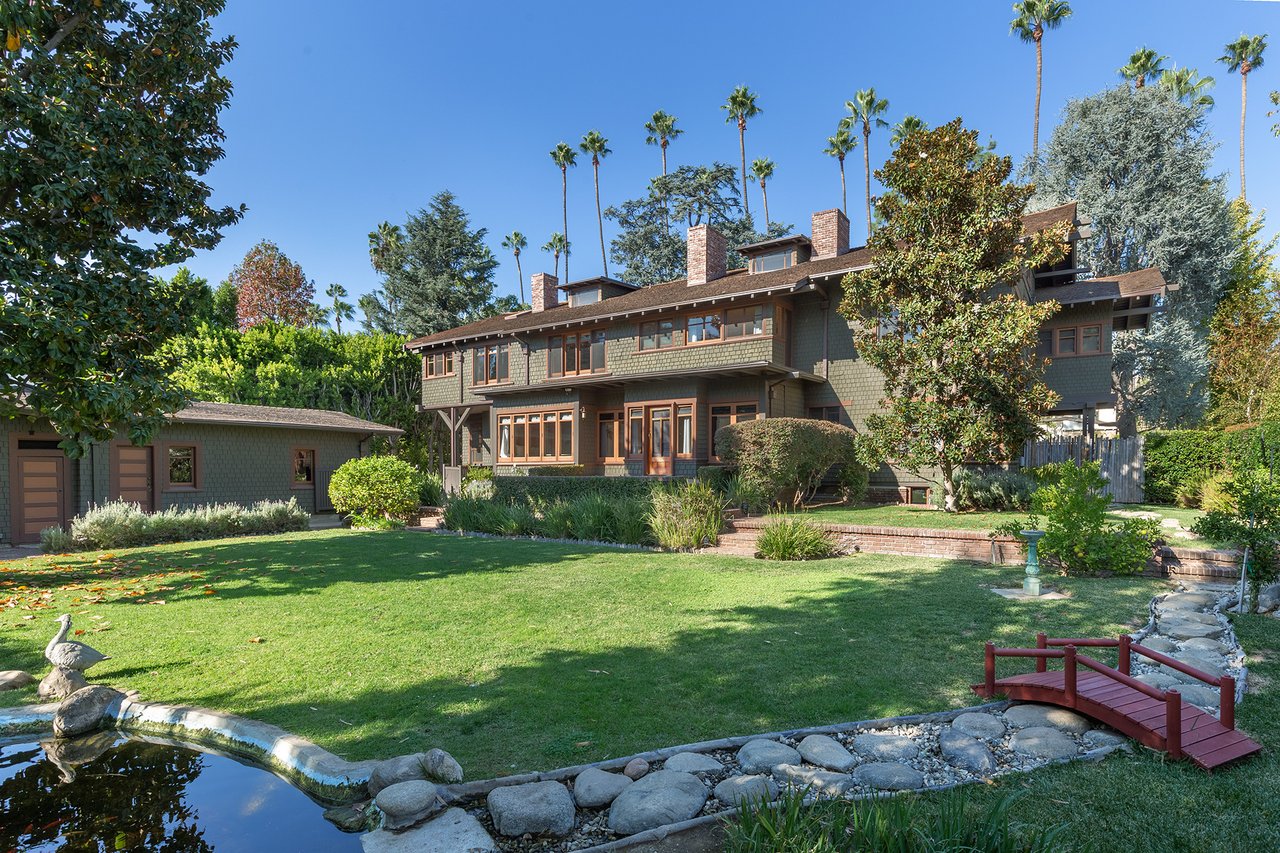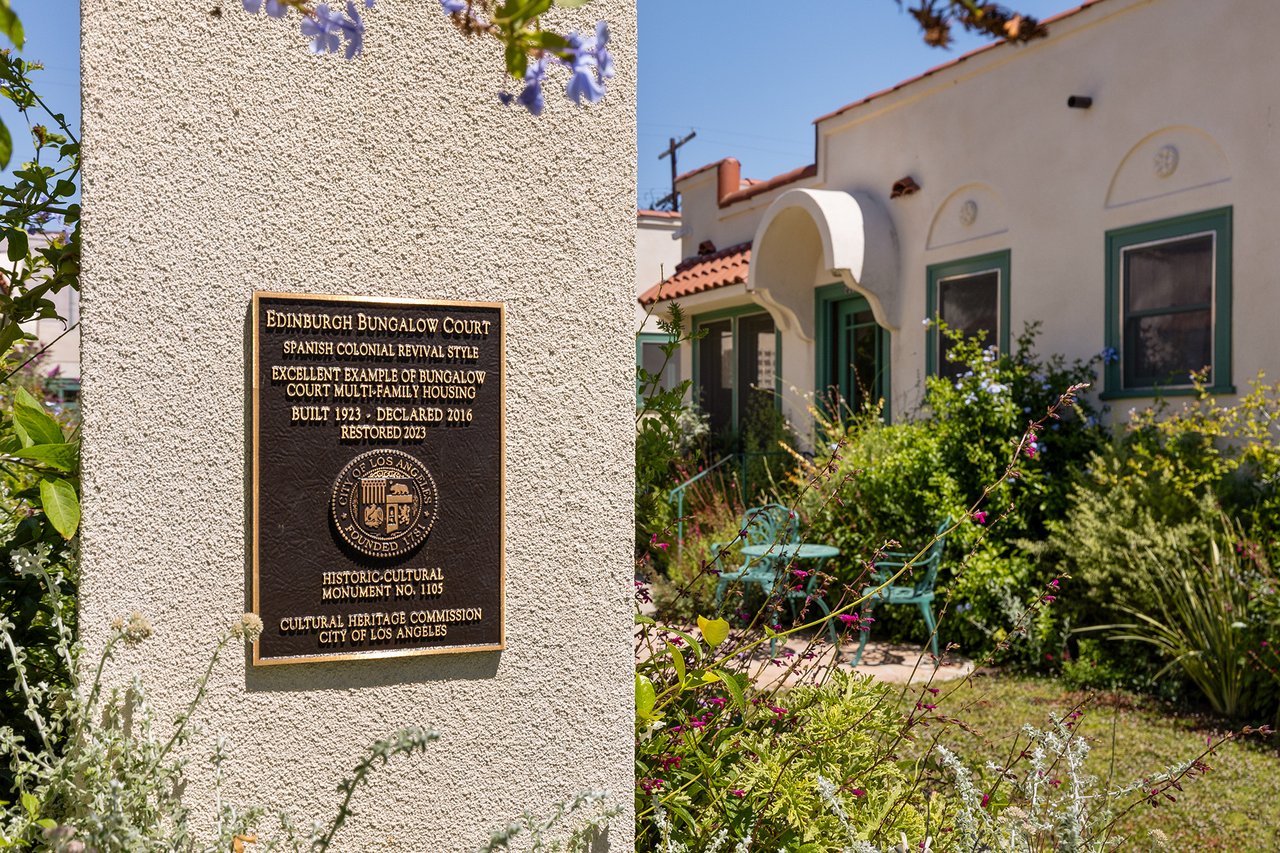
Los Angeles is home to thousands of architecturally significant properties, from Craftsman bungalows and Spanish Revival houses to mid-century modern landmarks. Maintaining these historic homes often requires specialized restoration work and careful preservation.
One of the most important incentives designed to help homeowners protect these properties is the Mills Act, a California program that allows owners of qualifying historic buildings to receive a property tax reduction in exchange for preserving the property’s historic character.
What Is the Mills Act?
The Mills Act is a California law enacted in 1972 to encourage the preservation of historic buildings. It allows cities and counties to enter into contracts with owners of designated historic properties. In exchange for maintaining and restoring the property according to preservation standards, owners may receive a reduced property tax assessment.
The agreement is typically structured as a 10-year contract that automatically renews each year, remaining attached to the property even when it is sold to a new owner.
Because the tax assessment is calculated using an income-based method rather than market value, the resulting property taxes can be significantly lower than standard assessments.
Which Properties Qualify?
In Los Angeles, a property generally must have some form of historic designation to qualify. Examples include:
• City of Los Angeles Historic-Cultural Monuments
• Contributing properties within a Historic Preservation Overlay Zone (HPOZ)
• Properties listed in the California or National Register of Historic Places
The goal of the program is not simply tax relief—it is to ensure that historically significant buildings are preserved and maintained according to established preservation standards.
Owner Responsibilities
A Mills Act contract is more than a financial incentive; it is also a commitment to stewardship.
Property owners must agree to:
• maintain the property’s historic character
• follow approved restoration and preservation guidelines
• document improvements and maintenance over time
Because of these requirements, the program is often best suited for owners who already intend to carefully restore or maintain a historic home.
Why the Program Has Become Harder to Access in Los Angeles
Although the Mills Act remains one of the most powerful preservation incentives in California, the program in the City of Los Angeles has undergone significant review in recent years.
Beginning in 2020, the city paused many new Mills Act contracts while evaluating the long-term sustainability and funding of the program. The city has since been studying possible changes to how the program operates and how tax savings are distributed across neighborhoods.
As a result, new contracts have been more limited while the program is updated.
For buyers and owners of historic homes, this means that while the Mills Act remains an important preservation tool, eligibility and availability can vary depending on the property and the current status of the program.
Why the Mills Act Still Matters
Even with these limitations, the Mills Act continues to play an important role in protecting Los Angeles’ architectural heritage. The tax savings it provides are intended to help offset the often significant costs associated with maintaining and restoring historic properties.
For many homeowners, the program helps make long-term preservation financially sustainable while ensuring that historically significant buildings remain part of the city’s architectural landscape.
For buyers interested in historic homes, understanding whether a property already has a Mills Act contract—or may qualify in the future—can be an important part of evaluating both ownership costs and preservation responsibilities. Many historic housing types in Los Angeles, including classic bungalow courts, often appear in these preservation discussions.
A Perspective From Perfect Home LA
Over the years we’ve had the opportunity to work with many architecturally significant homes throughout Los Angeles, and programs like the Mills Act are an important part of the conversation when buying or selling historic properties. While the program itself continues to evolve, understanding how preservation incentives work can be valuable for anyone considering the purchase or stewardship of a historic home. For buyers who appreciate architecture and history, Los Angeles remains one of the most fascinating cities in the country to explore—and protecting that architectural legacy is part of what makes these homes so special.