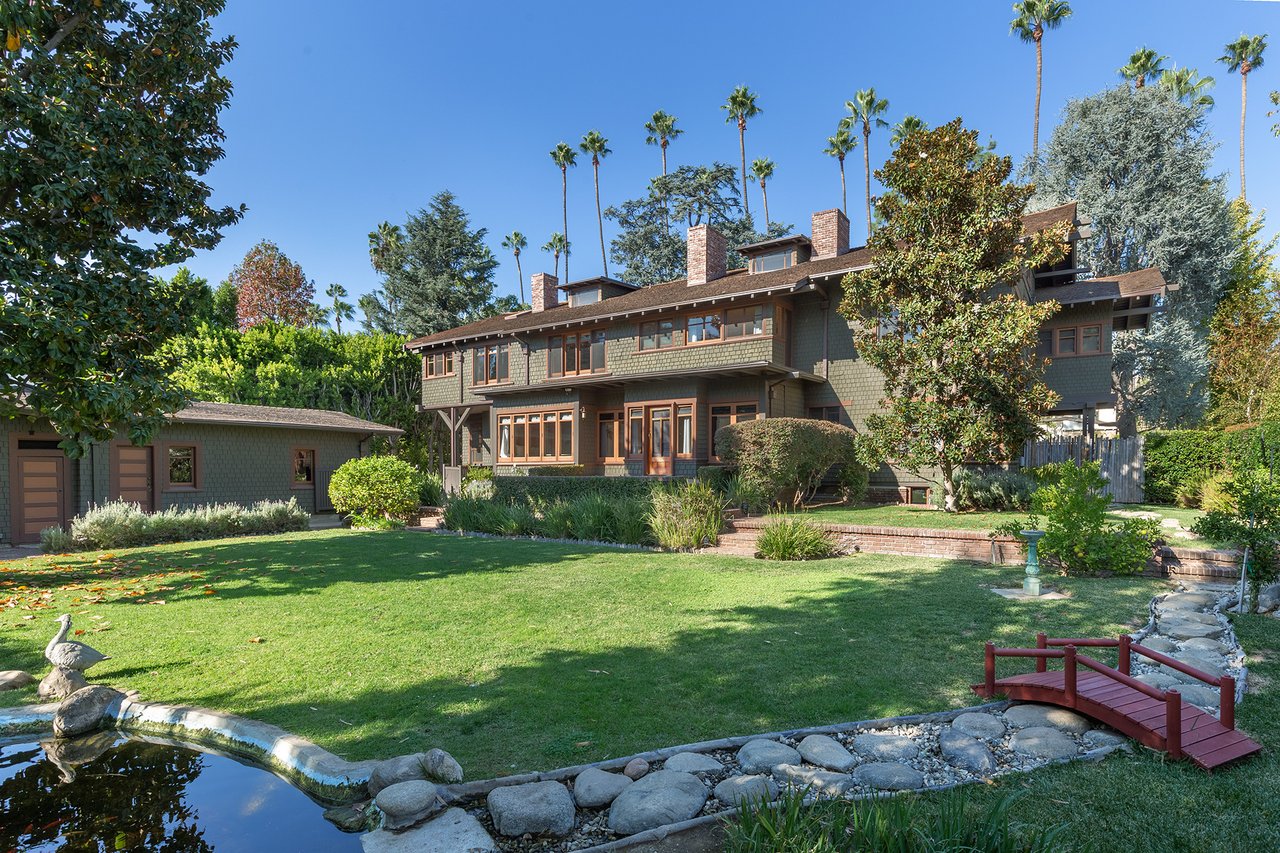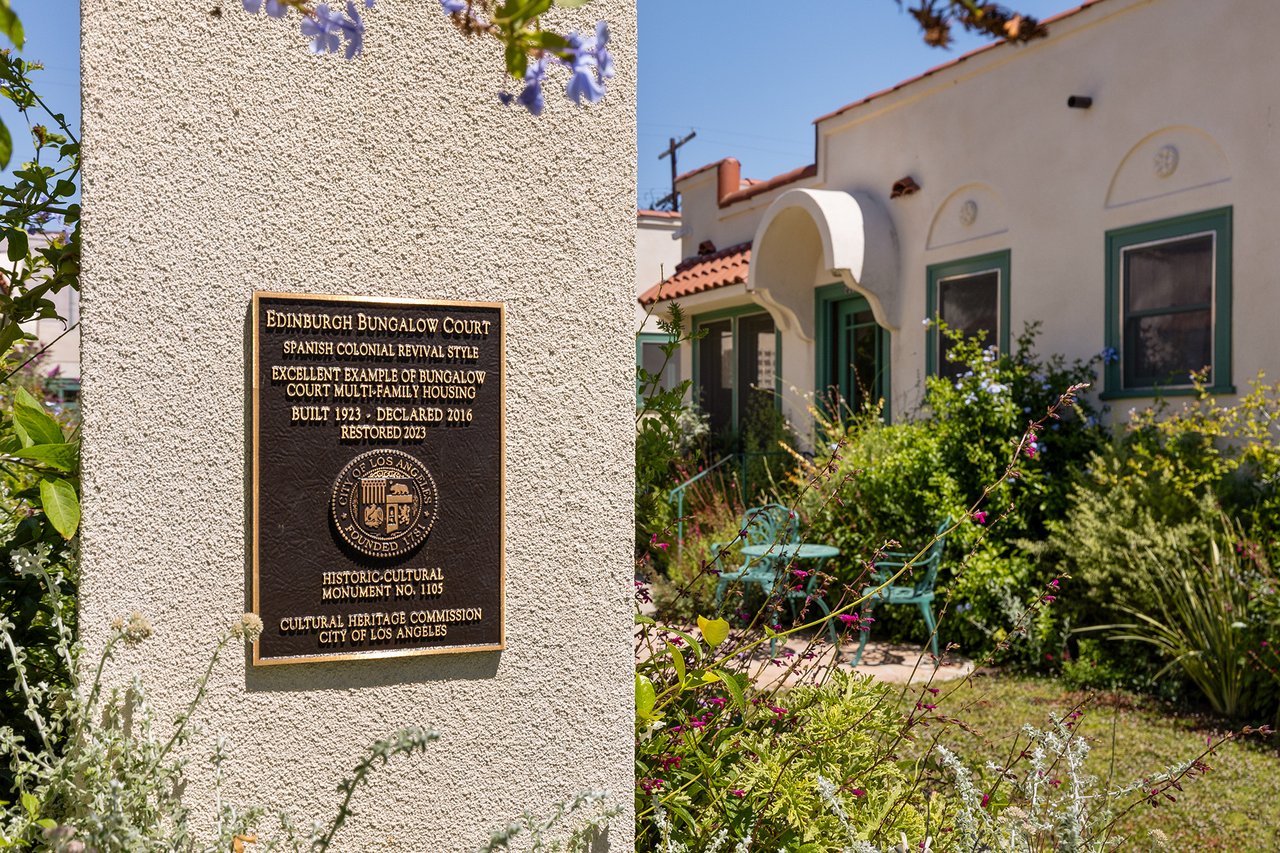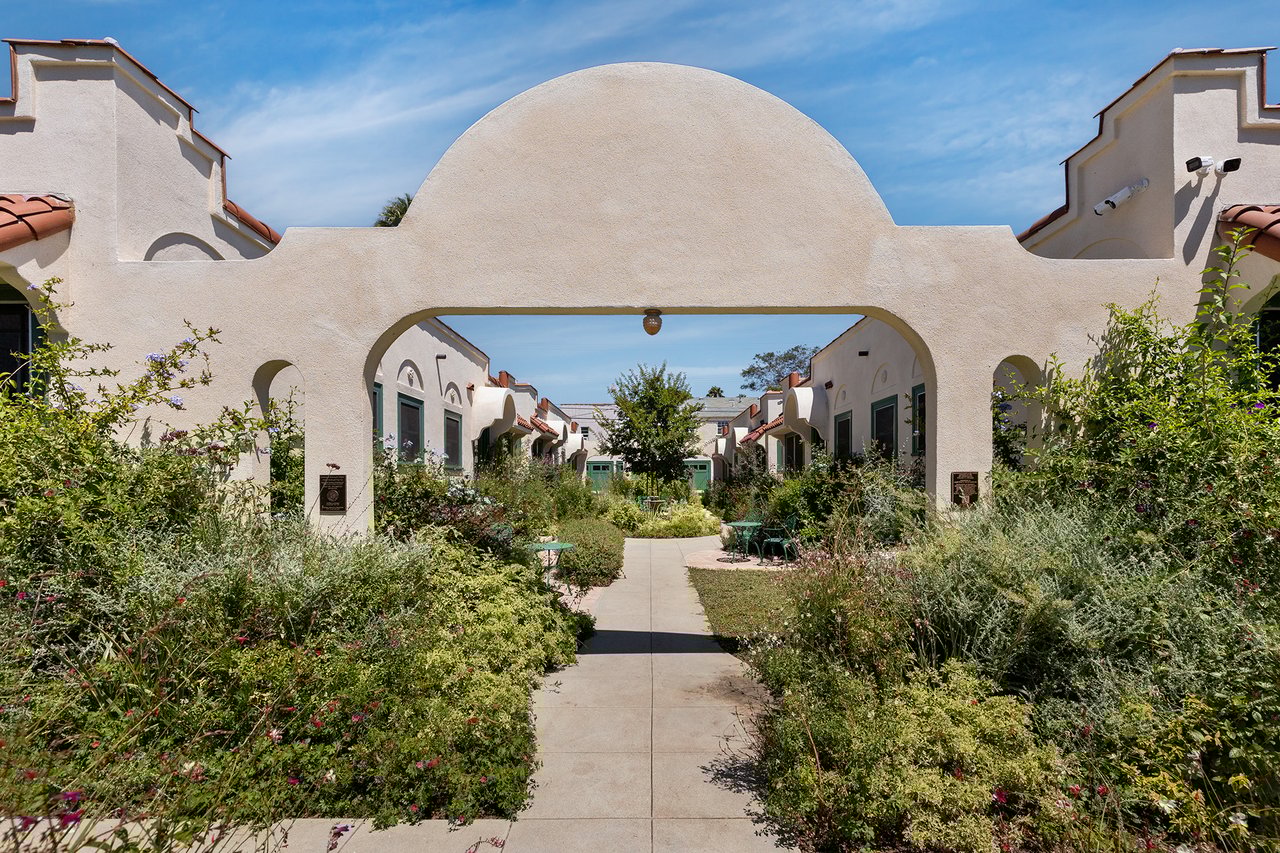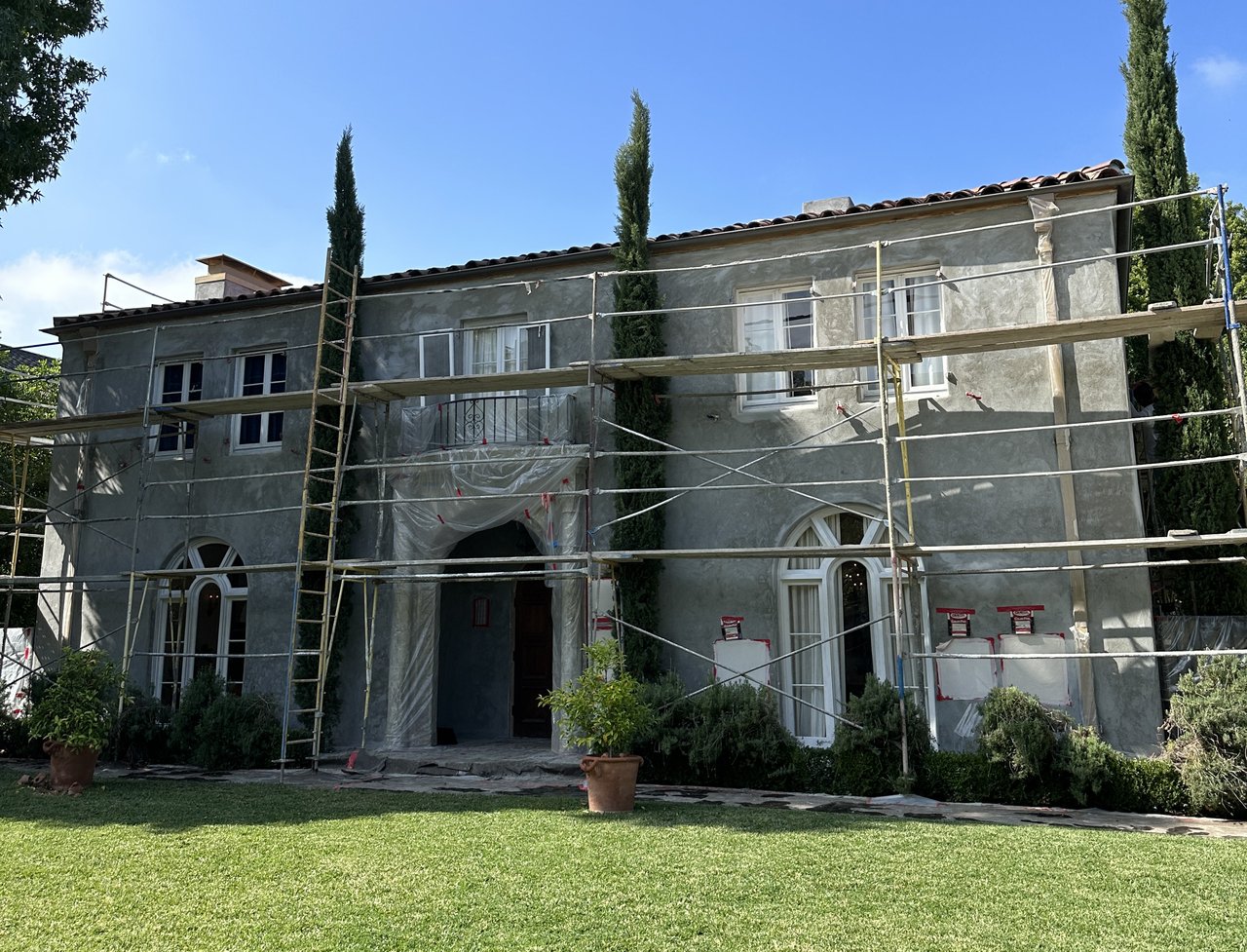
Los Angeles has always been a city shaped by its architecture. From early Craftsman bungalows and Spanish Revival residences to mid-century modern homes, many of its most compelling properties were designed with a level of intention that is difficult to replicate today.
For buyers drawn to these homes, the appeal is rarely just aesthetic. It’s about proportion, materials, and the way a space feels when it has been thoughtfully designed. But with that comes a different set of expectations—particularly when it comes to renovation.
Restoring a historic home is not simply a construction project. It is, in many ways, an exercise in restraint.
Restoration Is Not Reinvention
One of the most common misconceptions is that older homes need to be “updated” in the same way as newer ones.
In practice, the opposite is often true.
The most successful restoration projects begin with an understanding of what should remain. Original materials, layout, and detailing are not obstacles—they are the foundation of the home’s value. Replacing them too aggressively can strip away the very qualities that made the property compelling in the first place.
Restoration, at its best, is selective. It asks what can be repaired rather than replaced, and how modern systems can be introduced without disrupting the original architecture.
Working Within the Architecture
Over time, a consistent pattern emerges in renovation work: the strongest results come from working within the logic of the home rather than trying to redefine it.
In spaces like kitchens, that often means resisting the impulse to completely reconfigure the layout. Instead, the focus shifts to proportion, material, and continuity. New cabinetry, fixtures, and systems can be introduced—but they need to feel aligned with the structure of the home, not imposed onto it.
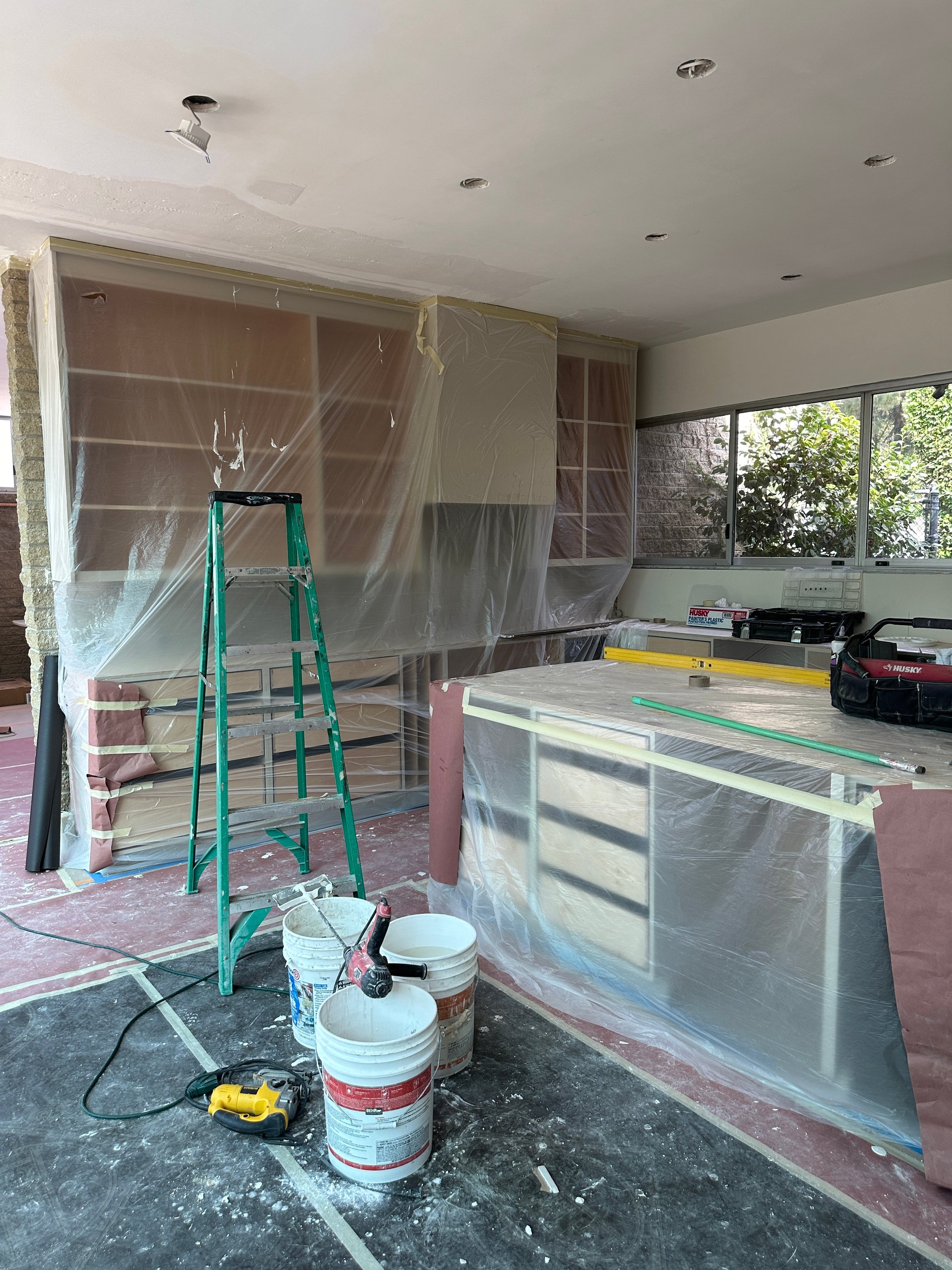
The same principle applies to the exterior. A home’s relationship to its surroundings—its scale, its materials, the way it sits on the site—is part of its architecture. When those elements are respected, the finished result tends to feel cohesive in a way that more aggressive redesigns rarely achieve.
These are decisions that aren’t always obvious in listing photos, but they define how a home lives over time.
The Reality of Older Homes
Historic homes inevitably come with layers of change.
Systems may have been updated at different points over the decades. Materials may have been replaced, repaired, or overlooked. It’s common to encounter a mix of original craftsmanship and later interventions that don’t always align.
Understanding what’s there—and what needs attention—is part of the process.
This doesn’t necessarily make these homes more complicated to own. But it does require a different mindset: one that sees condition as something to be understood, not simply corrected.
Cost, Value, and Expectation
Restoration is rarely the most direct path, and it is often not the least expensive.
But for many buyers, cost is only one part of the equation.
What these homes offer—architectural integrity, material quality, and a sense of permanence—is difficult to recreate. When restoration is approached carefully, it tends to preserve those qualities while allowing the home to function for modern living. For those considering buying a historic home in Los Angeles, understanding how restoration factors into long-term ownership is an important part of the decision.
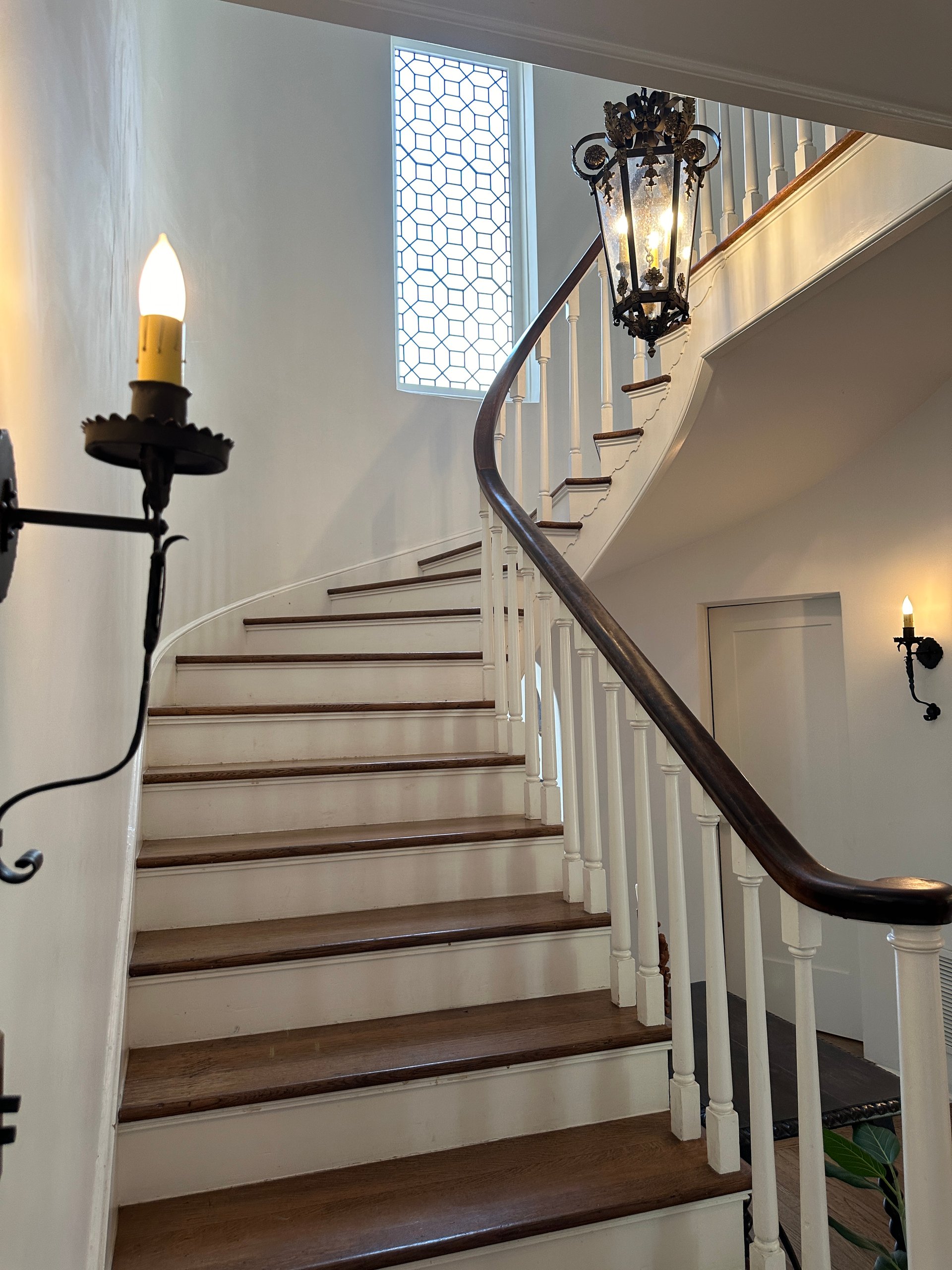
The result is not just an updated property, but one that retains its identity.
A Different Way of Looking at These Homes
Buyers drawn to historic and architectural properties tend to approach them differently. The decision is less about maximizing square footage or standardizing finishes, and more about understanding what makes a home distinct.
Through Scott’s work in renovation and our experience representing architectural properties, we’ve seen how this approach shapes outcomes. Projects that begin with respect for the original design tend to hold together over time—both visually and functionally.
Los Angeles still has an extraordinary range of historic homes. Preserving what makes them special is part of what allows that architectural landscape to endure.
If you have questions about historic homes or are considering a purchase, we’re always happy to share our perspective.