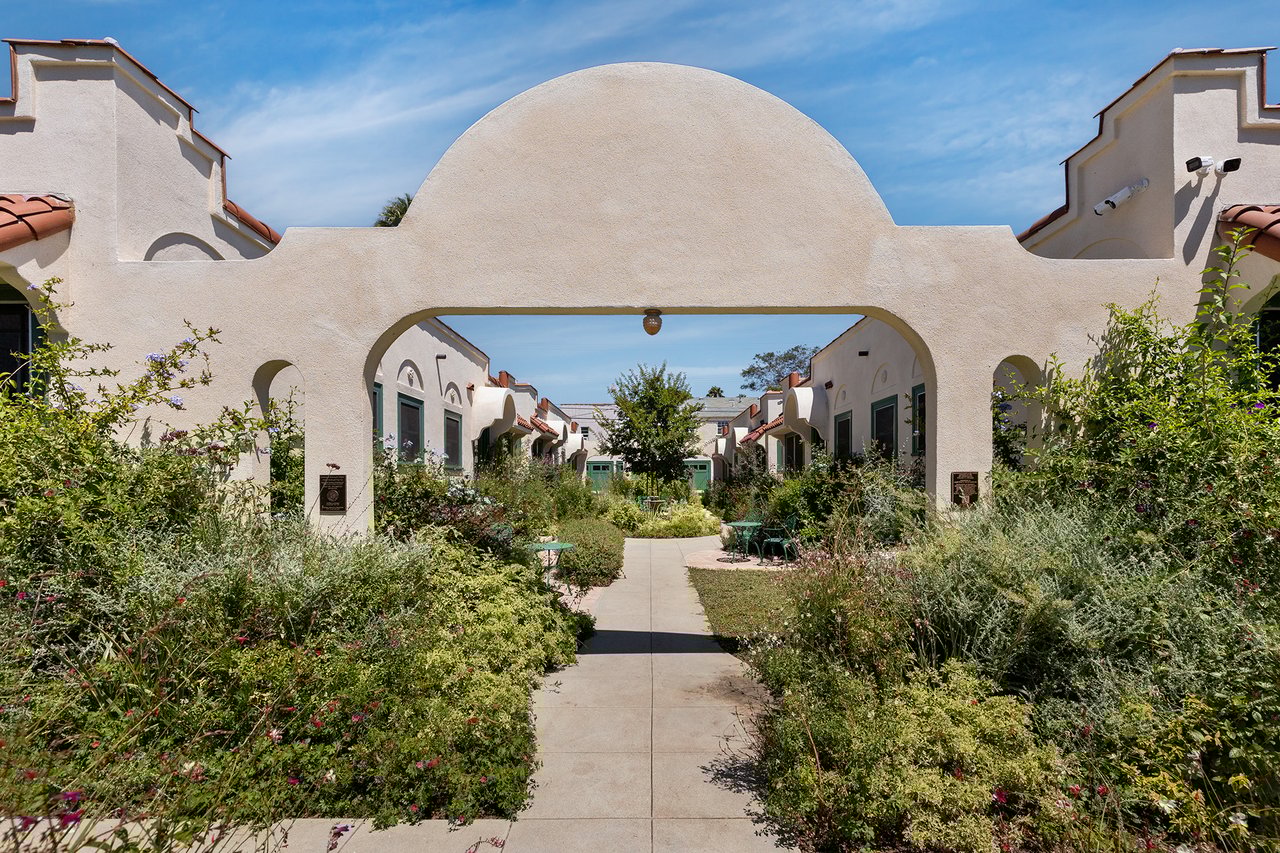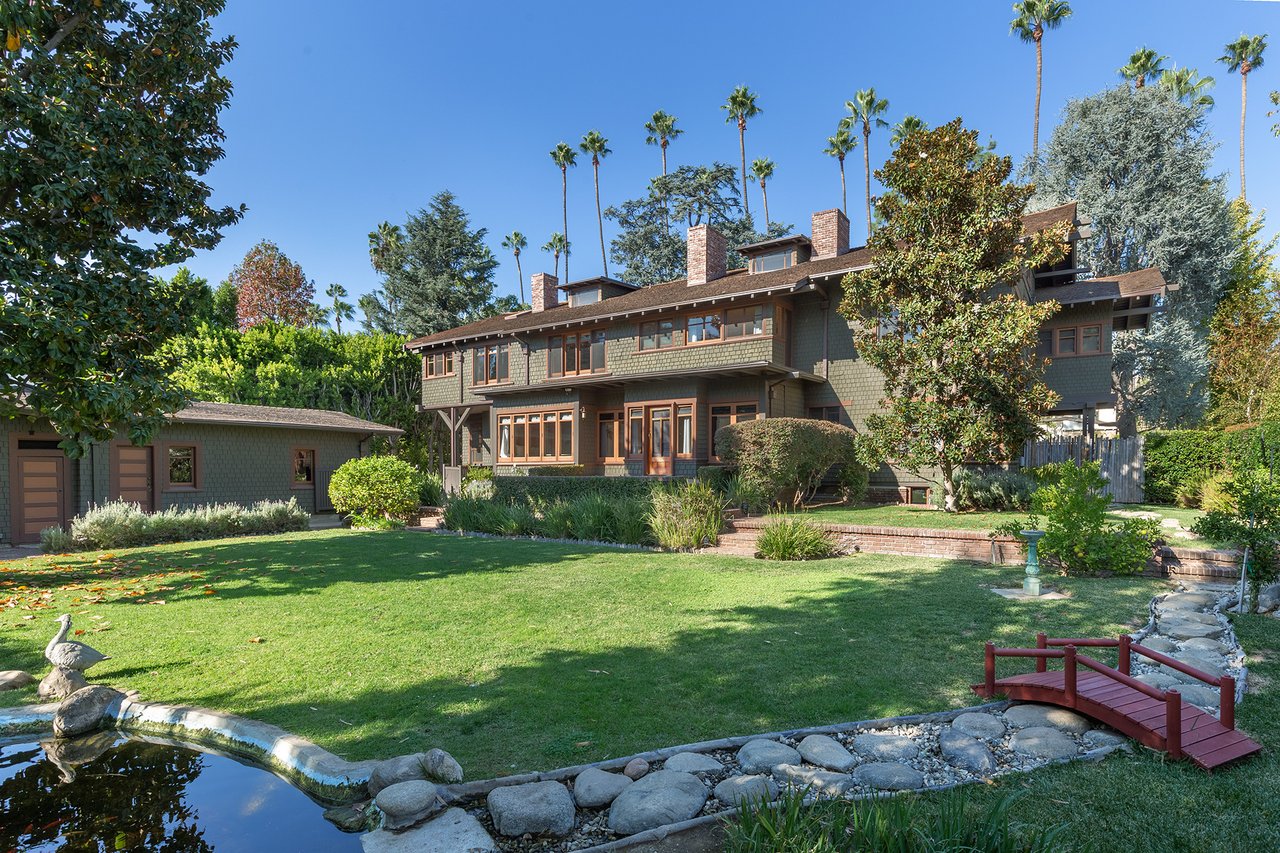
Los Angeles is home to a remarkable range of historic architecture, from early Craftsman bungalows and Spanish Revival residences to mid-century modern homes. For many buyers, these properties offer a level of character, craftsmanship, and design that is difficult to find in newer construction.
At the same time, purchasing a historic home involves a different set of considerations than buying a more contemporary property. Understanding those differences is an important part of making a thoughtful and informed decision.
What Defines a Historic Home?
In Los Angeles, a historic home is typically one that has been formally recognized for its architectural or cultural significance. This may include:
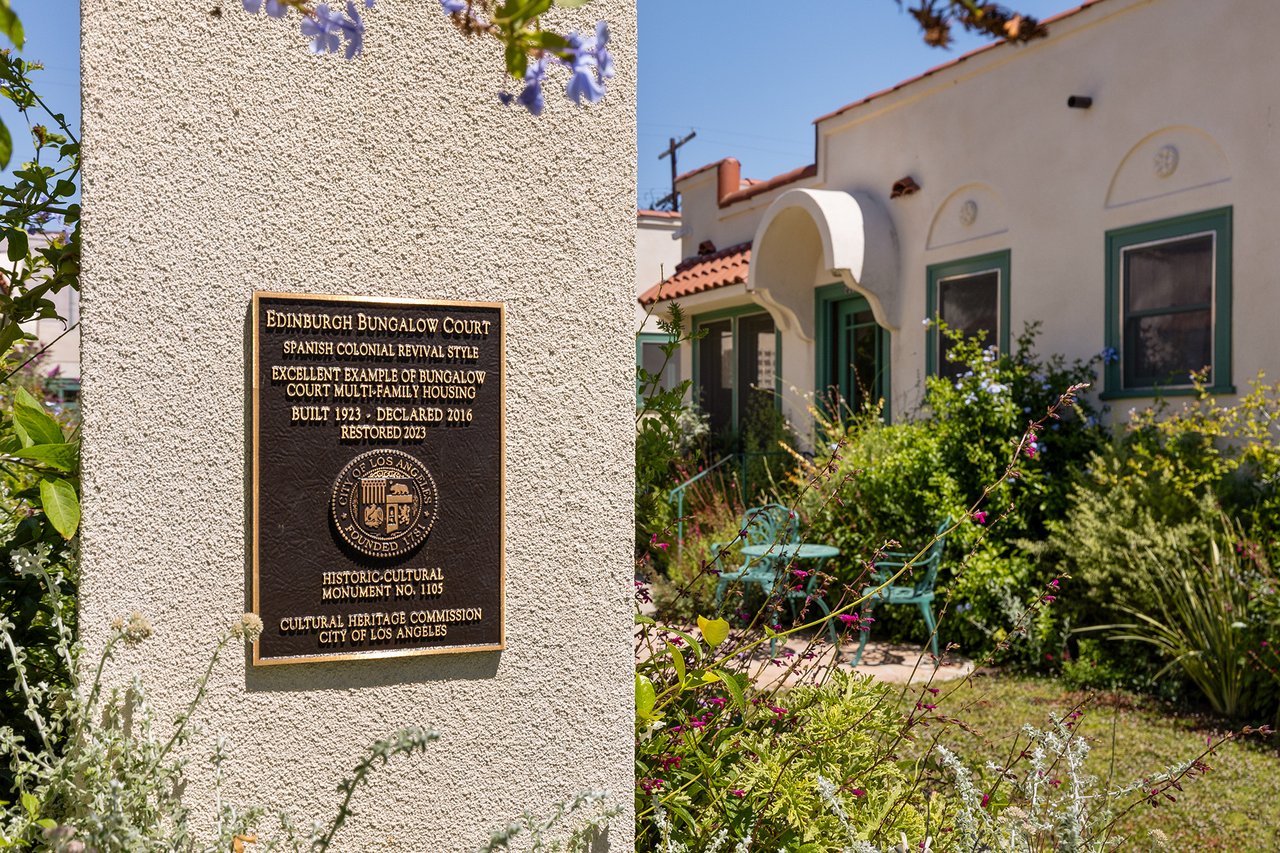
• properties designated as Historic-Cultural Monuments
• homes located within a Historic Preservation Overlay Zone (HPOZ)
• properties listed on state or national historic registers
Even homes without formal designation can still be considered “historic” based on age, architectural style, and level of preservation.
Understanding whether a home carries a formal designation is important, as it can affect both ownership responsibilities and potential benefits.
Why Buyers Are Drawn to Historic Homes
For many buyers, historic homes offer something that newer properties often lack: a sense of identity.
Original details such as wood windows, custom millwork, decorative tile, and thoughtful proportions create a living environment that feels intentional and unique. In neighborhoods across Los Angeles, these homes also contribute to a broader architectural context that gives each area its character.
This combination of design, history, and setting is often what draws buyers to historic properties in the first place.
Understanding Preservation Guidelines
If a home is located within an HPOZ or has another form of historic designation, certain changes may be subject to review or approval.
These guidelines are intended to preserve the architectural integrity of the property and the surrounding neighborhood. While they can place limitations on exterior alterations, they also help ensure that the character of the home is maintained over time.
For many buyers, these guidelines are not a drawback, but rather part of what makes historic neighborhoods feel cohesive and well preserved.
Condition and Deferred Maintenance
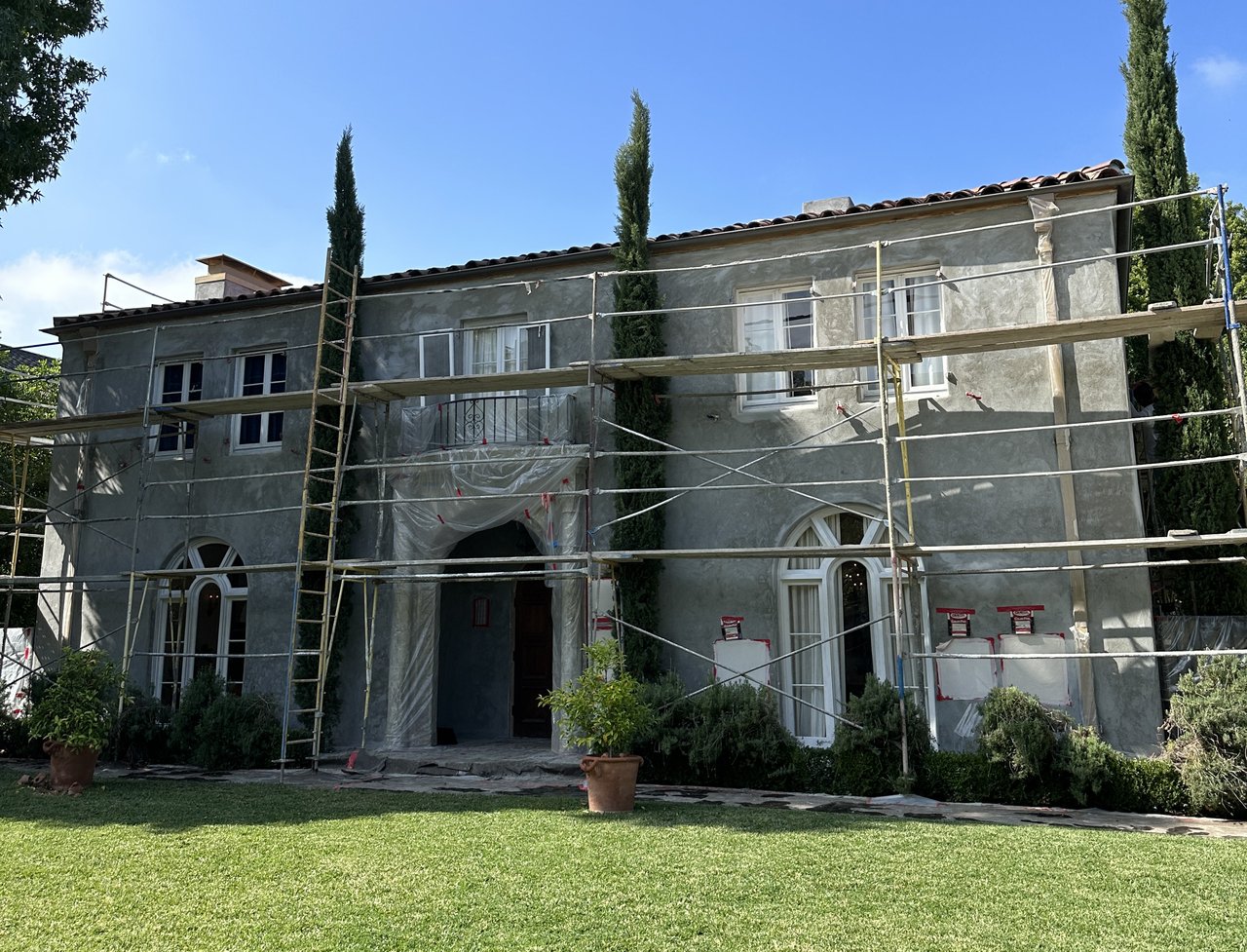
Historic homes often require a closer look during the inspection process.
While many have been carefully maintained or restored, others may have deferred maintenance that needs to be addressed. Systems such as plumbing, electrical, and roofing may have been updated at different times, and it’s important to understand the current condition of the home as part of the purchase process.
Working with inspectors and specialists who are familiar with older homes can provide valuable insight.
Renovation and Restoration Considerations
Updating a historic home is often less about replacing and more about restoring.
Many buyers choose to preserve original materials and architectural details wherever possible, while making thoughtful updates that improve functionality. This approach tends to maintain both the character and long-term value of the property.
Understanding how to approach renovation in a way that respects the home’s original design is an important part of ownership.
Financial Considerations and the Mills Act
Some historic homes in Los Angeles may qualify for programs such as the Mills Act, which can reduce property taxes in exchange for maintaining the home’s historic character.
While availability of the program has become more limited in recent years, understanding whether a property already has a Mills Act contract—or may qualify in the future—can be an important part of evaluating overall ownership costs.
A Perspective From Perfect Home LA
Over time, we’ve found that buyers of historic homes are often drawn to more than just the property itself. They’re responding to architecture, to design, and to the way a home fits within the broader fabric of Los Angeles.
Purchasing a historic home is as much about stewardship as it is about ownership. With the right approach, these properties can offer a uniquely rewarding experience—one that reflects both the city’s architectural history and its continued evolution.
If you have questions about historic homes or are considering a purchase, we’re always happy to share our perspective.